
Starting with Outpatient surgical procedures, this opening paragraph aims to grab the reader’s attention by highlighting the evolution of surgical techniques and the comprehensive process involved in outpatient surgeries.
Exploring the various aspects of outpatient surgical procedures, from technological advancements to postoperative care, this topic delves into the intricacies of modern healthcare practices.
Overview of Outpatient Surgical Procedures
Outpatient surgical procedures, also known as ambulatory surgery or day surgery, are medical procedures that do not require an overnight stay in the hospital. Patients can go home on the same day once the procedure is completed. This is in contrast to inpatient procedures where patients need to stay in the hospital for an extended period of time for recovery and observation.Outpatient surgery offers several benefits, including cost-effectiveness as it reduces hospitalization costs, lower risk of hospital-acquired infections, and quicker recovery times due to the familiar and comfortable home environment.
In addition, outpatient procedures often have a lower risk of complications compared to inpatient surgeries.Common examples of outpatient surgical procedures include cataract surgery, hernia repair, tonsillectomy, arthroscopy, and cosmetic surgeries like liposuction and breast augmentation. These procedures are typically less invasive and require minimal recovery time, allowing patients to resume their daily activities sooner.
Advantages of Outpatient Surgery
- Cost-effective: Outpatient procedures are usually less expensive than inpatient surgeries due to reduced hospitalization costs.
- Quicker recovery times: Patients can recover in the comfort of their own homes, leading to faster healing and return to normal activities.
- Lower risk of infections: Being away from the hospital environment reduces the chances of acquiring hospital-acquired infections.
Advancements in Outpatient Surgical Techniques

Advancements in technology have significantly expanded the scope of outpatient surgical procedures, allowing for more complex surgeries to be performed on an outpatient basis. These advancements have revolutionized the field of surgery, offering patients safer, more efficient, and convenient options for treatment.
Minimally Invasive Techniques in Outpatient Surgeries
Minimally invasive techniques, such as laparoscopy and endoscopy, have become standard in outpatient surgeries due to their numerous advantages. These techniques involve making small incisions and using specialized tools to perform surgeries with minimal damage to surrounding tissues. The benefits of minimally invasive techniques include reduced pain, faster recovery times, shorter hospital stays, and lower risk of complications.
Utilization of Robotic Surgery in Outpatient Settings
Robotic surgery is increasingly being utilized in outpatient settings to enhance surgical precision and outcomes. Robotic systems allow surgeons to perform complex procedures with enhanced dexterity and control, leading to improved patient outcomes. By utilizing robotic technology, outpatient surgical procedures can be performed with greater accuracy, efficiency, and safety.
Preparing for an Outpatient Surgical Procedure
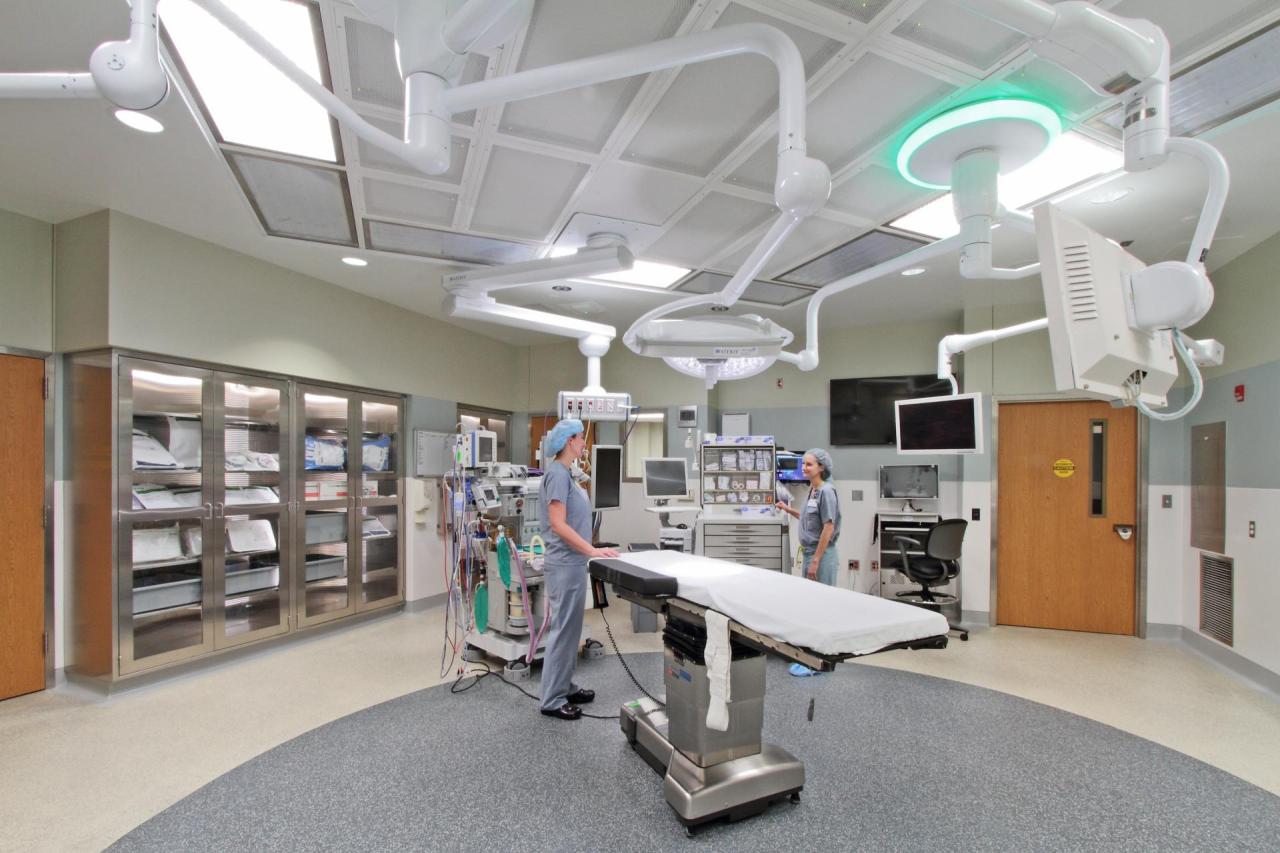
When preparing for an outpatient surgical procedure, there are important steps that patients need to take to ensure a smooth experience and successful outcome. Pre-operative preparations play a crucial role in the safety and effectiveness of the surgery. This includes following guidelines such as fasting before the procedure and making necessary adjustments to medications.
Importance of Pre-operative Preparations
- One of the key pre-operative preparations is fasting, which helps reduce the risk of complications during surgery.
- Patients may be required to stop taking certain medications before the procedure to avoid potential interactions or side effects.
- Completing any pre-operative tests or evaluations as instructed by the healthcare team is essential to ensure readiness for the surgery.
Day of the Procedure Expectations
- On the day of the procedure, patients will typically check-in at the outpatient surgical center or hospital where the surgery will take place.
- Upon arrival, patients will undergo necessary preparations, such as changing into a surgical gown and meeting with the medical team.
- After the surgery, patients will be taken to a recovery room where they will be monitored closely as they wake up from anesthesia and begin their recovery process.
Recovery and Aftercare Following Outpatient Surgery
After undergoing outpatient surgery, it is crucial for patients to follow specific postoperative care instructions to promote healing and prevent complications. Here is a guide on what to expect and how to take care of yourself after returning home.
Postoperative Care Instructions
- Follow all instructions provided by your surgeon regarding wound care, medication management, and activity restrictions.
- Keep the surgical site clean and dry to prevent infection. Change dressings as instructed.
- Take pain medications as prescribed to manage discomfort and follow up with your healthcare provider if pain worsens or is not adequately controlled.
- Avoid strenuous activities, heavy lifting, or driving until cleared by your surgeon.
- Stay hydrated, eat a healthy diet, and get plenty of rest to aid in the healing process.
Common Side Effects and Complications
- Common side effects after outpatient surgery may include pain, swelling, bruising, and fatigue. These symptoms usually improve within a few days.
- Complications such as infection, bleeding, blood clots, or adverse reactions to anesthesia are rare but possible. Contact your healthcare provider immediately if you experience severe pain, fever, excessive bleeding, or signs of infection.
When to Seek Medical Attention
- Seek immediate medical attention if you experience breathing difficulties, chest pain, numbness or weakness, severe pain or bleeding, or any other concerning symptoms.
- Attend all follow-up appointments with your healthcare provider to monitor your recovery progress and address any issues that may arise.
Concluding the discussion on Outpatient surgical procedures, it is evident that the landscape of surgical treatments is continuously evolving to provide patients with efficient, cost-effective, and minimally invasive options. By embracing these advancements and understanding the importance of thorough preparation and attentive aftercare, individuals can navigate outpatient surgeries with confidence and optimism.
FAQ Overview
What are the key differences between outpatient and inpatient surgical procedures?
Outpatient procedures allow patients to return home on the same day, while inpatient procedures require an overnight stay in the hospital.
How can patients best prepare for an outpatient surgical procedure?
Prior to surgery, patients should follow pre-operative instructions provided by their healthcare team, which may include fasting and adjusting medications.
What are some common minimally invasive techniques used in outpatient surgeries?
Minimally invasive techniques like laparoscopy and robotic surgery are often employed in outpatient procedures for quicker recovery and reduced scarring.


